




Canada claims Chinese disinformation campaign targeted MPs
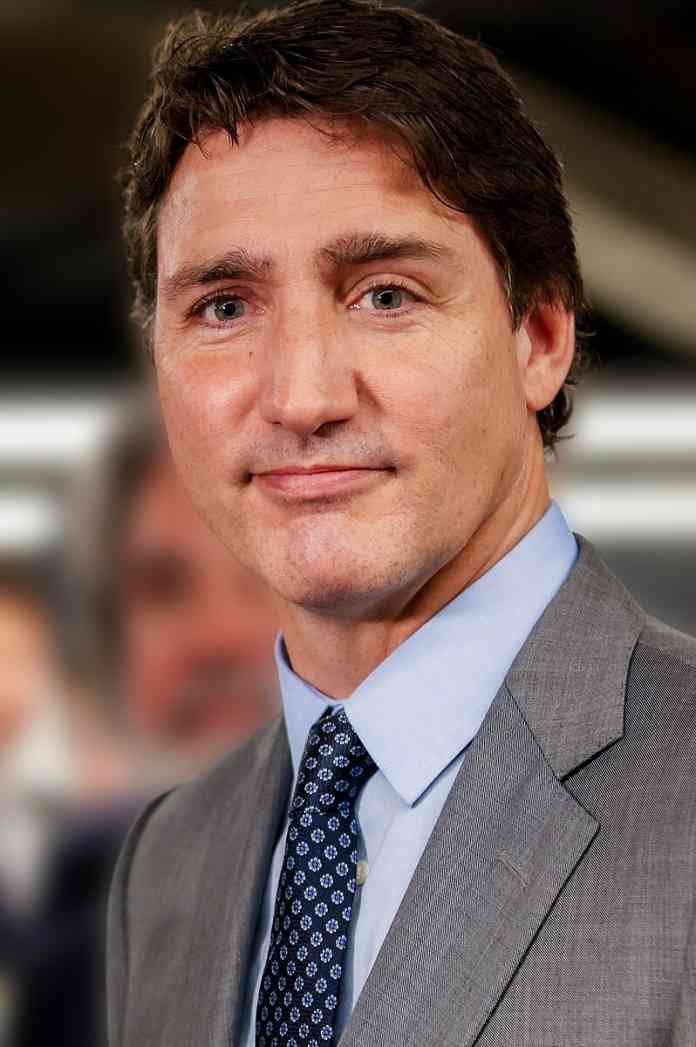
Canada has announced that it has detected a disinformation campaign, which has been targeting politicians, including prime minister Justin Trudeau.
The foreign ministry claimed that the campaign used online posts to discredit MPs and is likely linked to China.
The "Spamouflage" campaign began in August and targeted dozens of MPs, across the political spectrum and different areas of the country. This includes the prime minister, the leader of the Official Opposition, and several members of Cabinet.
A bot network left thousands of comments in English and French on the Facebook and Twitter accounts of MPs, claiming a critic of the Chinese Communist Party (CCP) in Canada had accused the various MPs of criminal and ethical violations.
The same bot network also claimed Hawaiian wildfires were caused by a secret US military “weather weapon”.
A statement from Global Affairs Canada said: "Spamouflage should be considered a tactic or technique, not an entity. It is a network of new or hijacked social media accounts that posts and increases the number of propaganda messages across multiple social media platforms – including Facebook, X/Twitter, Instagram, YouTube, Medium, Reddit, TikTok, and LinkedIn. The word is a combination of “spam” and “camouflage”, intended to portray the hidden attempts to spread spam-like content and propaganda among more every-day, human-interest-style content. Spamouflage networks are largely contained within their own echo chambers of fake users, and rarely garner organic social media engagement from real users."
Rapid Response Mechanism (RRM) Canada assesses that the campaign likely seeks to discredit and denigrate the targeted MPs through seemingly organic posts, alleging impropriety, by posting waves of social media posts and videos that call into question the political and ethical standards of the MPs, using a popular Chinese-speaking figure in Canada. It is also estimated that the campaign likely seeks to silence criticism of the CCP by getting MPs to distance themselves from the critic and discouraging wider online communities from engaging with them.
The statement continued: "The Government of Canada will continue to monitor the digital information environment for foreign information manipulation and respond when necessary and appropriate, including through public disclosure and diplomatic engagement.
"The Government of Canada will continue to be observant of any and all recommendations made by the Public Inquiry into Foreign Interference in Federal Electoral Processes and Democratic Institutions, the National Security and Intelligence Review Agency, the National Security and Intelligence Committee of Parliamentarians, and the Standing Committee on Procedure and House Affairs in the course of their ongoing reviews of possible foreign interference in the 43rd and 44th Canadian federal general elections."
Image: Lea-Kim Chateauneuf, CC BY-SA 4.0 <https://creativecommons.org/licenses/by-sa/4.0>, via Wikimedia Commons
Latest Features





Partners
 |
 |
 |
 |
 |
 |
 |
 |