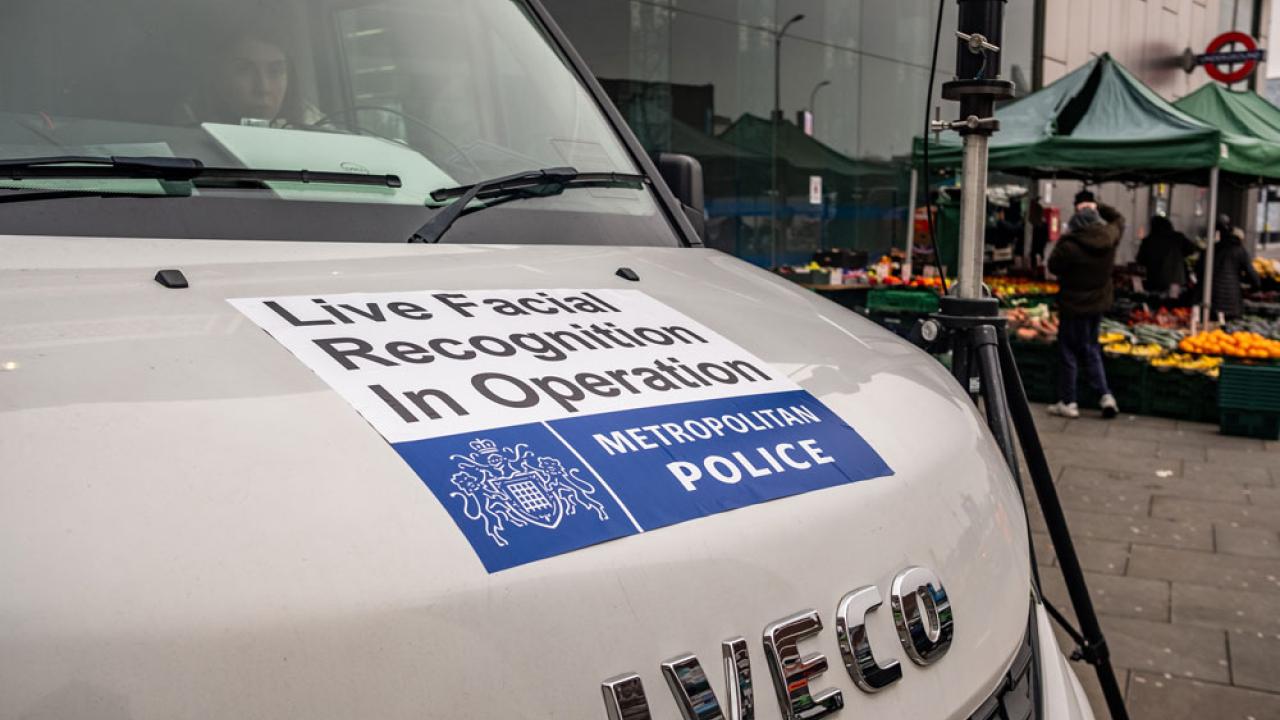
The Government has launched a consultation on how police forces should use facial recognition and biometrics.
Facial recognition can be used to locate wanted suspects in public places, find vulnerable missing people and identify offenders more quickly through footage obtained from CCTV and doorbell cameras.
Over the last two years, the Metropolitan Police have made 1,300 arrests using facial recognition including rapists, domestic abusers and violent criminals. The tech has also been used to identify more than 100 registered sex offenders breaching their license conditions.
The consultation will lay the foundation for new laws so all police forces can use facial recognition.
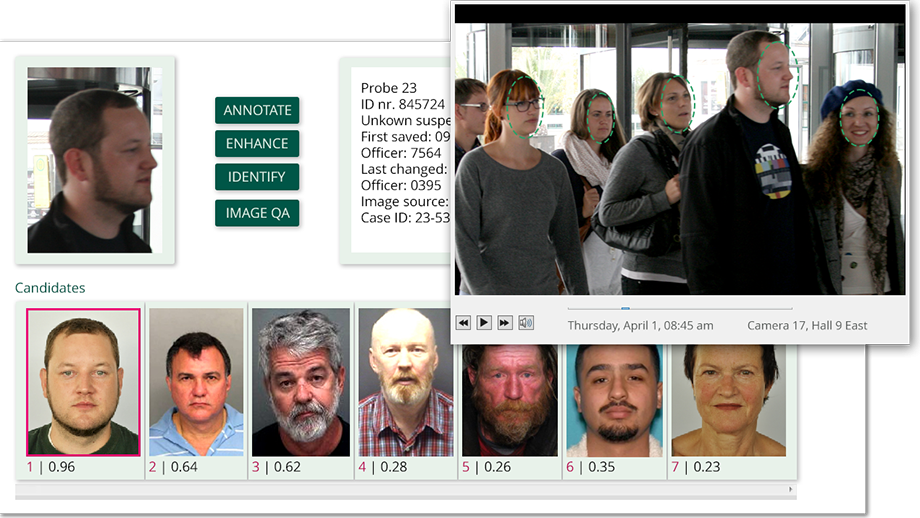
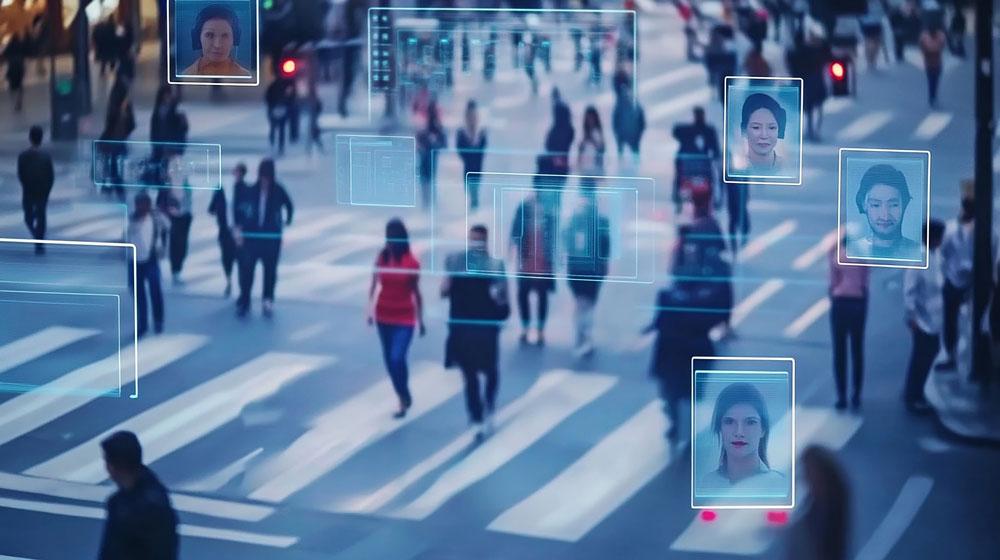
Police forces currently use three types of facial recognition technology: retrospective facial recognition is used as part of a criminal investigation to search images from crime scenes and live facial recognition uses live video footage of people passing cameras and compares their images to a specific list of people wanted by the police. Operator-initiated facial recognition is a mobile app that allows officers to check someone’s identity without having to arrest them and take them into custody.
The ten-week consultation will look at the benefits of facial recognition and ask what safeguards are needed to ensure users are confident in its use, and in similar technologies which are likely to follow. It will also investigate when and how the technologies should be used, how to protect people’s privacy, and whether using these technologies is proportionate to the level of harm being addressed.
There are also proposals to create a single body to oversee and regulate police use of biometrics, facial recognition and similar technologies, and seeks views on what responsibilities it should have.
Research from the Home Office shows that retrospective facial recognition is seen as most acceptable type of facial recognition by the public, with 97 per cent of people saying that it is at least sometimes acceptable for police to use it. Meanwhile, 88 per cent of people think it is at least sometimes acceptable for the police to use live facial recognition to locate suspects.
Last year, £12.6 million was spent on facial recognition by the Home Office, with £2.8 million spent on national live facial recognition capabilities, including mobile vans and fixed-location pilots.
The year, £6.6 million is being spent to support the adoption, evaluation, and responsible rollout of facial recognition technology, including £3.9 million for the development of a new, national facial matching service.
Crime and Policing Minister, Sarah Jones, said: "Facial recognition is the biggest breakthrough for catching criminals since DNA matching.
"It has already helped take thousands of dangerous criminals off our streets and has huge potential to strengthen how the police keep us safe.
"We will expand its use so that forces can put more criminals behind bars and tackle crime in their communities."
Lindsey Chiswick, National Police Chiefs’ Council lead for facial recognition, said: "Live facial recognition helps police locate wanted offenders, including those missing for years, and monitor individuals subject to court imposed conditions, such as registered sex offenders. This technology makes officers more effective and delivers more arrests than would otherwise be possible. Live facial recognition is making a real difference in keeping communities safe.
"Live facial recognition is already subject to strong safeguards and rigorous oversight, and policing remains committed to using it proportionately and responsibly.
"Public trust is vital, and we want to build on that by listening to people’s views. This consultation is an opportunity for the public to help shape how live facial recognition continues to be deployed, what protections matter most, and how policing can continue to use it in a way that reinforces confidence."