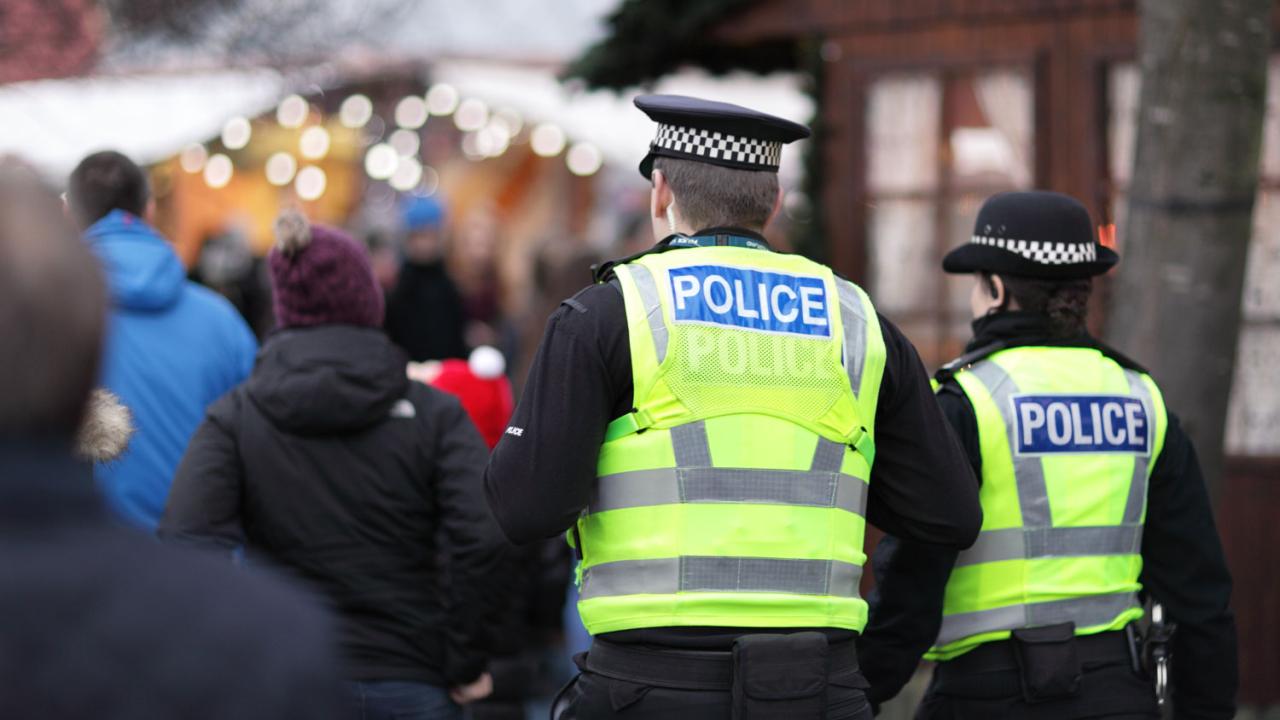
A new amendment in the government’s landmark Crime and Policing Bill will see that places of worship are better protected from threatening protests under new powers given to the police.
These changes will build on existing laws under the Public Order Act, which will provide a new limit for police officers to impose conditions on protests when they start to intimidate those attending a place of worship. Police will therefore have better clarity on how and when they can protect religious sites from the types of protest design to disrupt or harm them.
This follows concerns after recent protests near synagogues have caused the cancellation of events on the Sabbath, and have forced participants to stay home due to fears about travelling to their place of worship during large-scale demonstrations. Similarly, last summer’s violence following the Southport stabbings led Islamophobic thugs to damage, destroy, and threaten mosques across Southport, Hull, and Sunderland.
Religious hate crime in the UK continues to rise at a worrying rate, with police-recorded antisemitic hate crimes having soared by 113 per cent in the year ending March 2024, and anti-Muslim hate crimes having risen by 13 per cent.
Additionally, the Home Secretary has announced that the new offence for climbing on a war memorial will be extended to cover the new National Holocaust Memorial scheduled to be built next to Parliament in Victoria Tower Gardens.
The government is additionally providing up to £50 million to protect faith communities next year, including £18 million through the Jewish Community Protective Security Grant, £29.4 million through the Protective Security for Mosques scheme and for security at Muslim faith schools, and £3.5 million for places of worship and associated faith community centres of all other religions.
Home Secretary Yvette Cooper said: “The right to protest is a cornerstone of our democracy which must always be protected, but that doesn’t to include the right to intimidate or infringe on the fundamental freedoms of others.
“That’s why we are gibing the police stronger powers to prevent intimidating protests outside places of worship to ensure that people can pray in peace.”