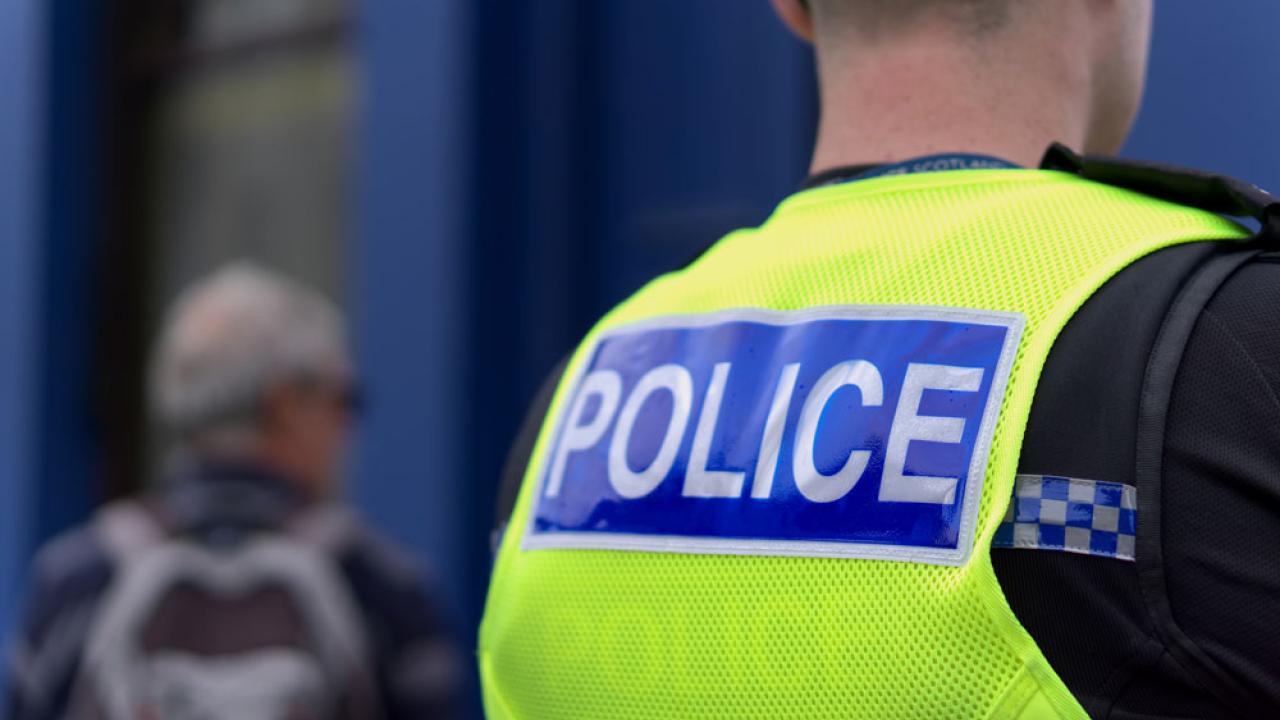
Home secretary Shabana Mahmood has launches a white paper setting out reforms to policing.
The reforms are the largest since policing was professionalised 200 years ago.
The white paper, ‘From local to national: a new model for policing’, suggests launching a review into dramatically reducing the number of police forces in England and Wales. This is to make the police more cost efficient and ensure a less fragmented system.
A naw nationwide police force will be established to fight the most complex and serious crimes. This force will use state-of-the-art technology to fight complex and serious crime, bringing together the capabilities of the National Crime Agency, Counter Terrorism Policing, regional organised crime units, police helicopters and national roads policing.
It is believed that as one force, it will be better equipped to share technology, intelligence and resources to stop the growing threat from crime that has become increasingly complex, digital, online and with no respect for constabulary borders. A national police commissioner will be appointed to lead the force and will serve as the most senior police officer in the country.
As part of the plans, ministers will be able to intervene directly in failing forces, sending in specialist teams to turn them around so they fight crime more effectively.
Response officers will be expected to reach the scene of the most serious incidents within 15 minutes in cities and 20 minutes in rural areas, and forces will be expected to answer 999 phone calls within 10 seconds.
A new senior policing role will be introduced to lead the police’s nationwide response to public disorder, and galvanise and co-ordinate responses to major incidents.
Counter Terrorism Policing, the Metropolitan Police and the National Police Chiefs’ Council have released a joint statement in response.
They said: "Our organisations operate in an environment where crime is becoming increasingly complex, digitally enabled and dangerous. Terrorism, hostile state activity and organised criminal networks are now more interconnected than ever, demanding a policing model that is agile, capable and resilient.
"Modern crime requires a modern policing response. We support and have been calling for this ambitious step to bring together some of the most capable policing teams in the country into a single National Police Service . This builds on the high international regard that already exists amongst partners for Counter Terrorism Policing, whose capabilities and professionalism are recognised globally.
"This transformation, however, must be delivered with care. Its success depends on maintaining strong connections with local policing and the communities we serve.
"Neighbourhood officers remain indispensable in disrupting organised crime and countering terrorism. Their relationships, insights and presence on the ground are foundational to public safety.
"As we implement this reform programme, protecting those vital local links will be essential to ensuring the new National Police Service strengthens – not separates – the bond between policing and the public."